Home Decor Furniture Illustration: A Guide to Choosing and Using High-Quality Design Assets
Home decor furniture illustration is a growing trend in the world of design, offering a versatile and visually appealing way to enhance both digital and physical spaces. Whether you're creating content for social media, designing printable decorations, or working on branding materials, high-quality illustrations can elevate your projects and make them stand out. As more creators turn to print-on-demand (POD) platforms and digital marketplaces, the demand for professional-grade design assets has never been higher.
What Is Home Decor Furniture Illustration?
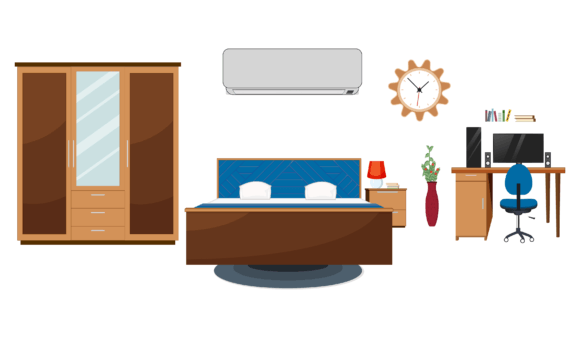
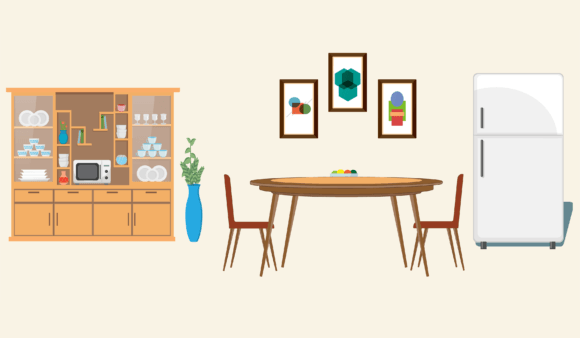
Home decor furniture illustration refers to the use of artistic visuals that depict furniture and interior elements in a stylized or realistic manner. These illustrations are often used in product designs, marketing materials, and decorative prints. They can be vector-based or raster-based, allowing for flexibility in scaling and editing.
These illustrations are particularly popular among designers, small business owners, and entrepreneurs looking to create unique products such as t-shirts, stickers, and wall art. Their versatility makes them suitable for a wide range of applications, from social media graphics to printable home décor items.
Common Mistakes When Choosing Home Decor Furniture Illustrations
While there are many great resources available, choosing the right illustration can be tricky. Here are some common mistakes people make when selecting home decor furniture illustrations:
- Poor File Quality: Many free or low-cost illustrations come with compressed files that may not be suitable for high-resolution printing. Always check the file format and resolution before purchasing.
- Lack of Editability: Some illustrations are locked in specific color schemes or formats, making it difficult to customize them for different uses. Opt for fully editable vector files in AI, EPS, or SVG formats.
- Ignoring Color Compatibility: Not all illustrations are designed for both RGB and CMYK color spaces. This can lead to unexpected results when preparing for print. Choose illustrations that offer cross-color swap compatibility.
- Overlooking Licensing Terms: Some illustrations may have restrictive licensing agreements that limit how they can be used. Always read the terms carefully and ensure you’re allowed to use the design for your intended purpose.
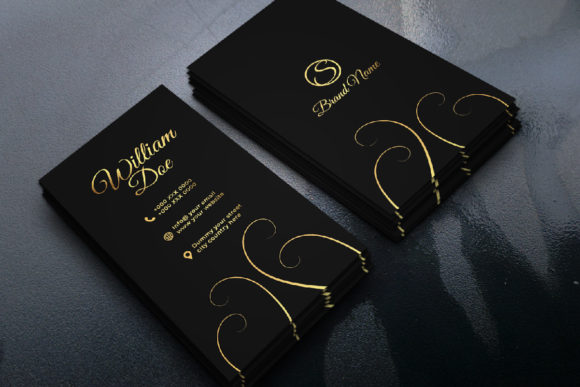
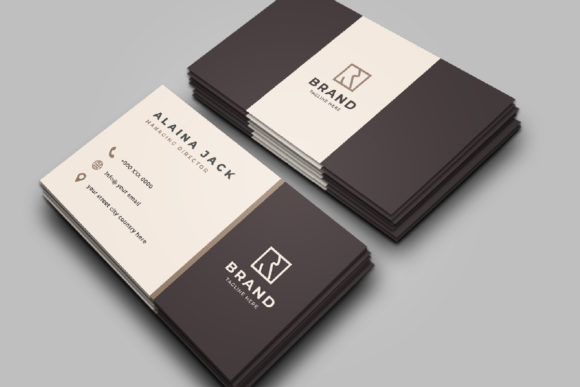
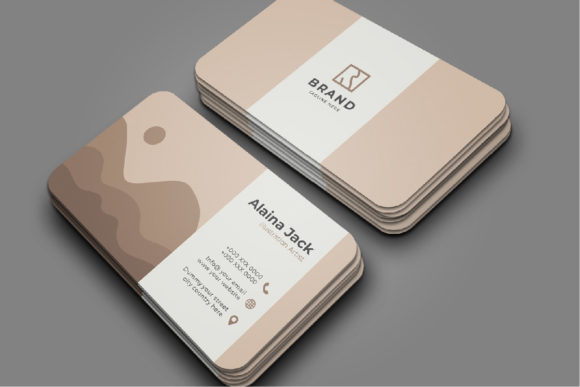
- Not Checking for Mock-ups: While mock-ups are not always included, having access to one can help you visualize how the design will look in its final form. Consider this when evaluating design packages.
How These Mistakes Can Affect Your Work
Making these mistakes can lead to wasted time, poor quality outputs, and even legal issues if you unknowingly violate licensing terms. For example, using an illustration that isn't compatible with CMYK can result in color shifts when printed, leading to dissatisfaction with the final product.
Additionally, not checking the editability of a design can limit your creative freedom. If you need to change colors, adjust shapes, or resize the illustration for different mediums, a non-editable file can become a significant obstacle.
Practical Tips to Avoid These Mistakes
To ensure you get the best value from your home decor furniture illustrations, follow these practical tips:
- Look for Fully Editable Files: Always choose designs that come with AI, EPS, or SVG files. These formats allow for easy customization and scalability without loss of quality.
- Check Color Space Compatibility: Ensure the design supports both RGB and CMYK color spaces. This is especially important if you plan to use the illustration for print projects.
- Review Licensing Agreements: Make sure you understand the terms of use. Some designs may only allow commercial use, while others may require attribution or have usage limits.
- Consider File Resolution: High-resolution files (300 DPI or higher) are essential for print-ready designs. Lower resolution files may appear pixelated when scaled up.
- Use Cross-Platform Compatible Formats: Include PNGs and PDFs in your design pack for added flexibility. These formats are ideal for web and social media sharing.
What to Look for Before Making a Purchase
Before downloading any home decor furniture illustration, take a few moments to evaluate the following:
- File Format and Compatibility: Confirm that the design includes multiple file types for different uses.
- Resolution and Print Quality: Ensure the illustration is high-resolution and suitable for both digital and print applications.
- Color Options and Customization: Check if the design allows for easy color swaps and modifications.
- Author Information and Support: Choose designers who provide clear information about their work and are responsive to customer inquiries.
- Customer Reviews and Ratings: Read feedback from other users to gauge the quality and reliability of the design.
Why Home Decor Furniture Illustration Matters
Home decor furniture illustration is more than just a visual element—it's a powerful tool for branding, marketing, and personal expression. By investing in high-quality, customizable illustrations, you open up new possibilities for your creative projects and business ventures.
Whether you're a beginner or a seasoned designer, understanding the nuances of home decor furniture illustration can help you avoid common pitfalls and achieve better results. With the right approach, you can turn these illustrations into valuable assets that enhance your work and meet the needs of your audience.